
Job Search Tips for Unemployed Youth
Job Search Tips for Unemployed Youth: Step-by-Step Guide
Finding a job can be challenging, especially for young people entering the workforce for the first time. In South Africa, youth unemployment remains high, making it essential to approach job searching strategically. Being proactive, organized, and persistent can significantly increase your chances of finding employment.
This step-by-step guide provides practical job search tips for unemployed youth, helping you navigate the competitive job market and land meaningful opportunities.
Step 1: Assess Your Skills and Interests
Before applying for jobs, it’s important to know your strengths, skills, and interests. Employers are more likely to hire candidates who understand their own capabilities and can demonstrate how they add value.
Ask yourself:
- What are my strongest skills? (e.g., communication, computer literacy, problem-solving)
- What jobs or industries interest me?
- Do I have any qualifications, certificates, or volunteer experience to highlight?
Create a skills inventory that lists technical, soft, and transferable skills. This will help you tailor your CV and job applications to positions that match your profile.
Step 2: Prepare a Professional CV and Cover Letter


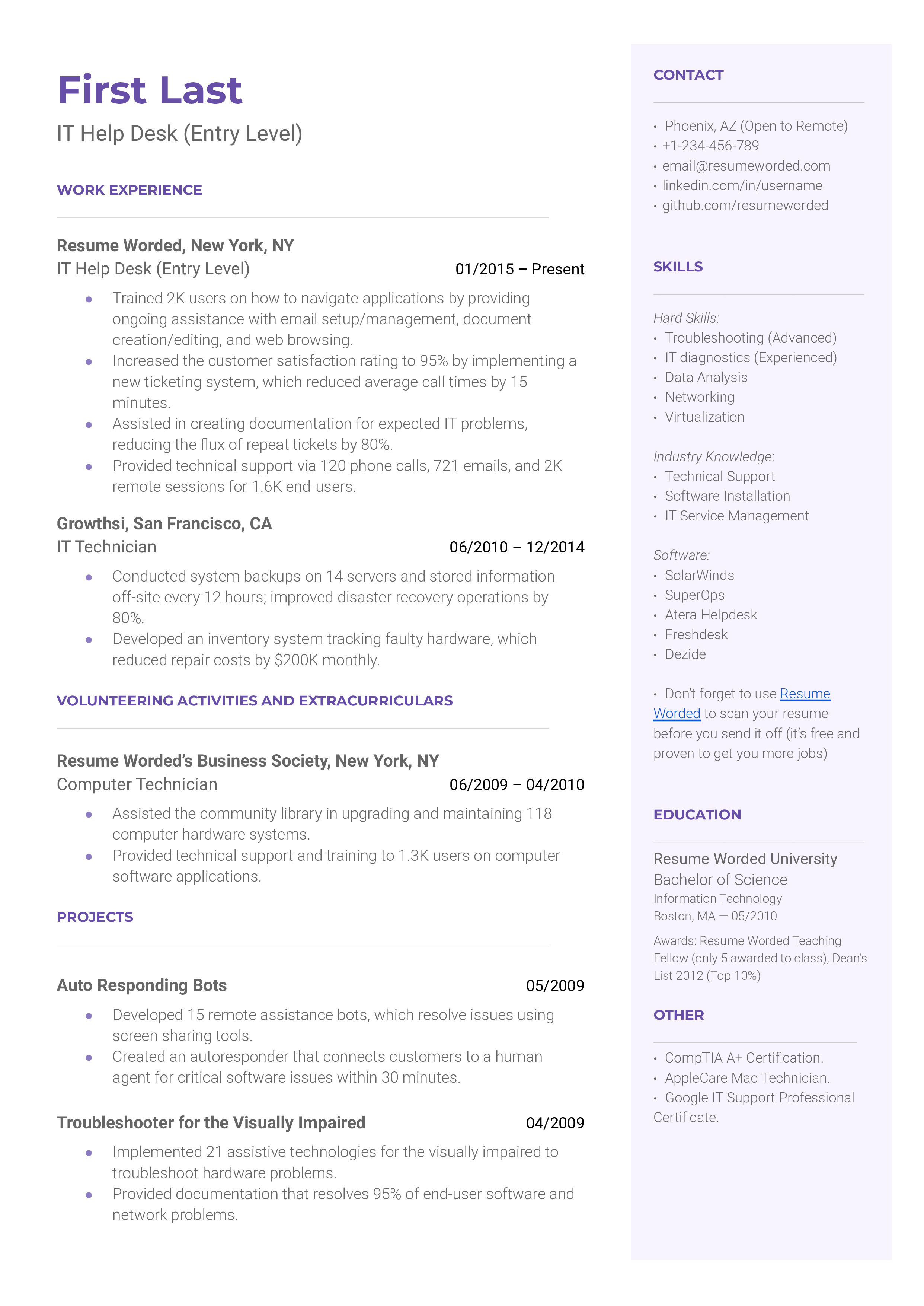
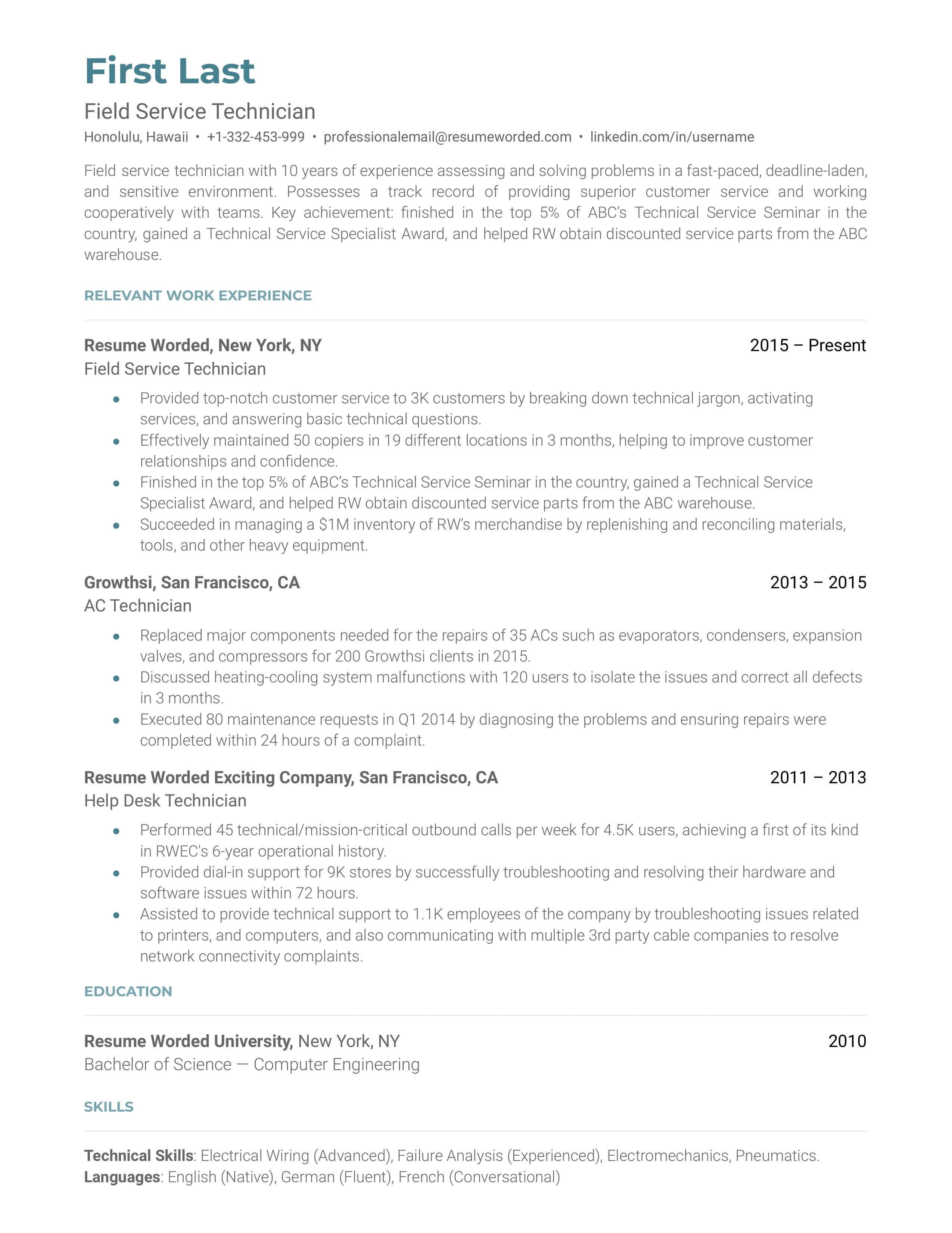
A well-prepared CV and cover letter are essential tools for securing interviews.
CV Tips for Unemployed Youth:
- Keep it one page if you have limited experience
- Include personal details, education, and skills
- Highlight volunteer work, internships, or part-time jobs
- Use clear, professional formatting
Cover Letter Tips:
- Tailor each letter to the specific job
- Mention why you are interested in the role
- Highlight relevant skills or achievements
- Keep it concise and professional
Even without work experience, showcasing skills, enthusiasm, and a willingness to learn can make a strong impression.
Step 3: Use Online Job Portals and Platforms
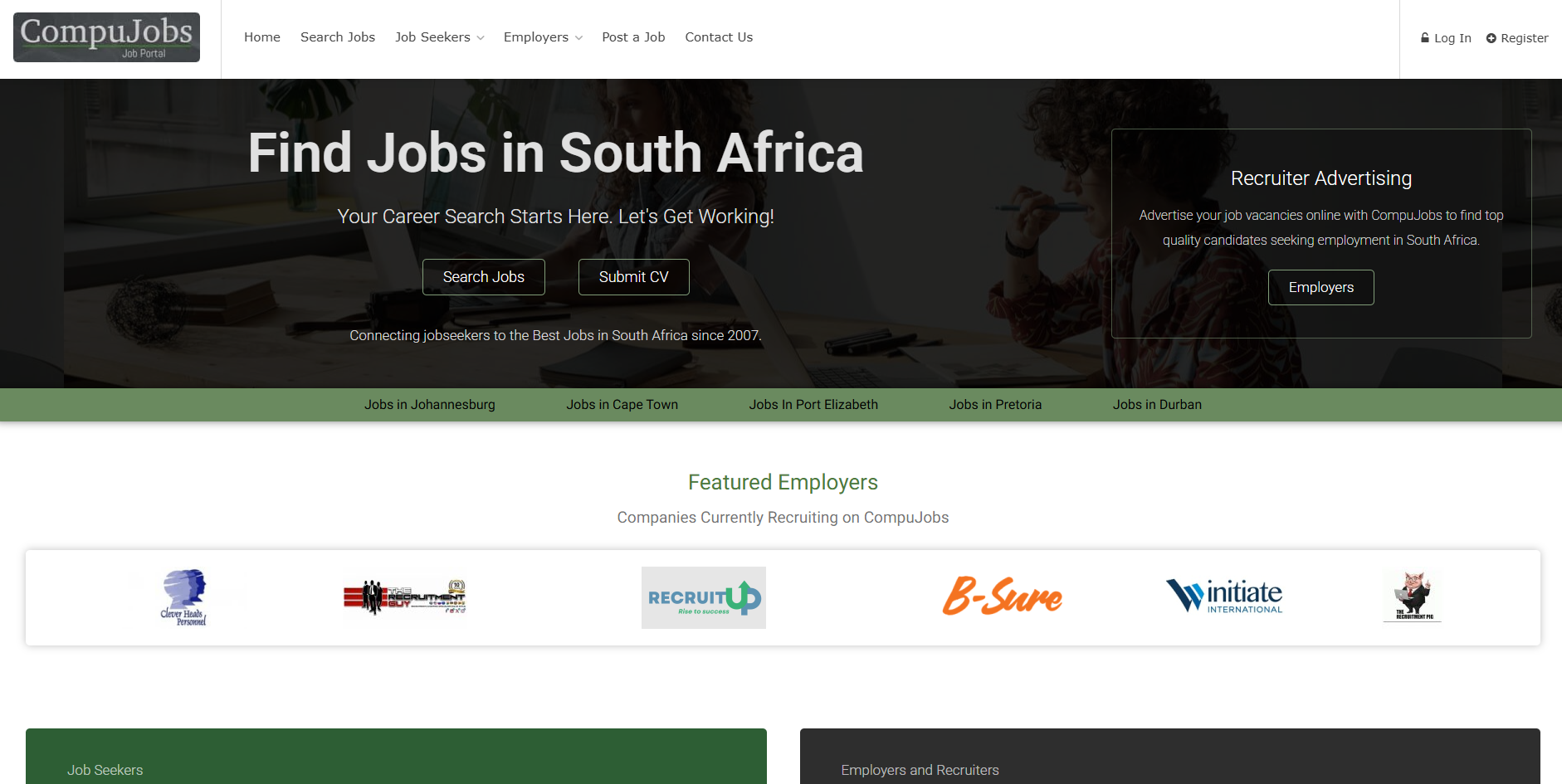


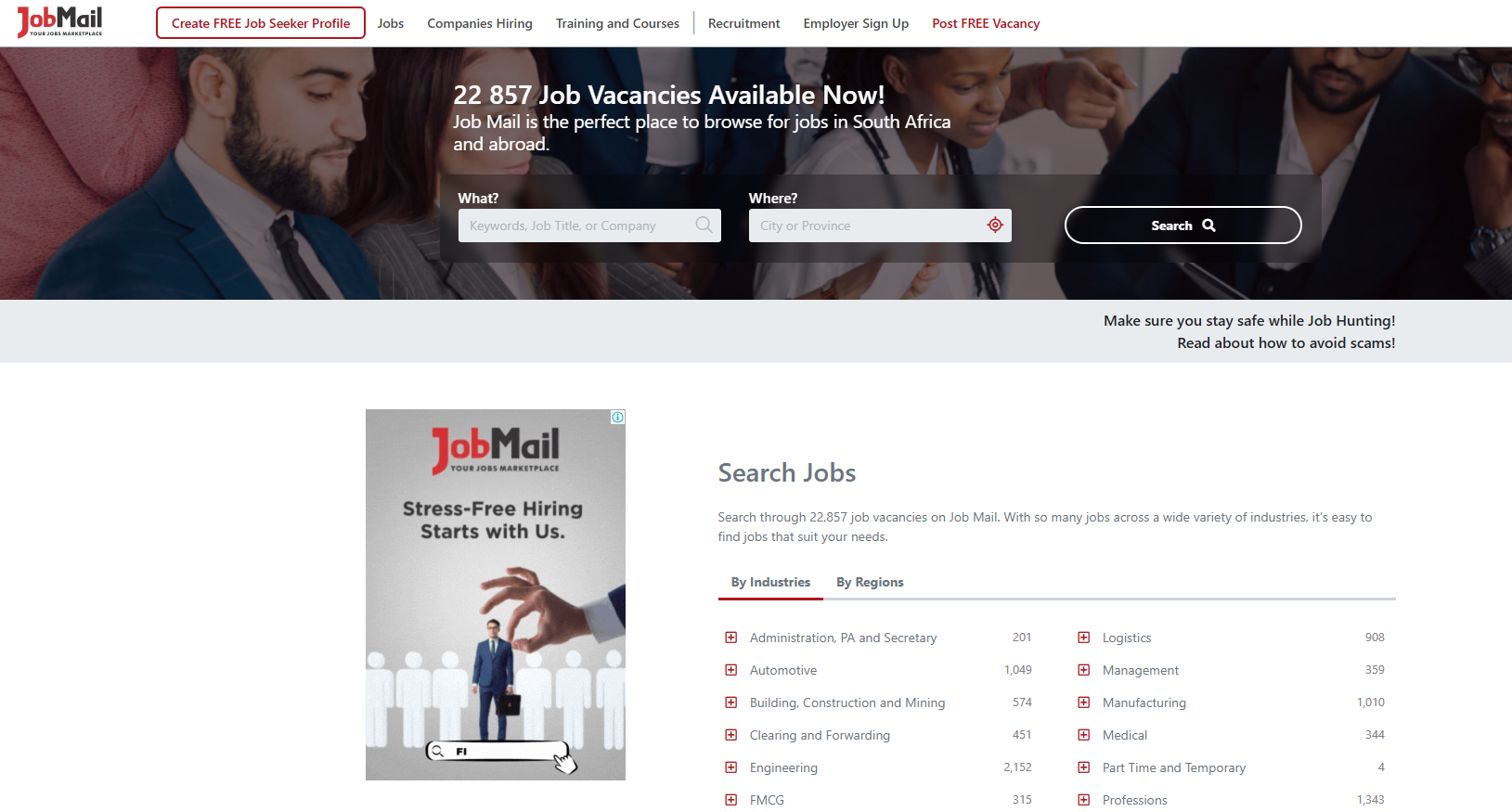
Online job portals are an efficient way to find vacancies. Popular platforms in South Africa include:
- Indeed
- CareerJunction
- PNet
Create profiles on multiple platforms, set up job alerts, and apply regularly. Make sure your online profiles are professional and updated.
Step 4: Network and Build Connections
Networking is one of the most effective ways to find employment, especially for youth with limited experience.
Ways to network:
- Attend career fairs and job expos
- Join youth and industry groups on social media
- Connect with professionals on LinkedIn
- Ask family and friends for job leads or referrals
Networking increases your exposure to unadvertised opportunities and helps you learn about industry trends.
Step 5: Consider Internships, Learnerships, and Volunteer Work
If you lack work experience, internships, learnerships, or volunteer positions can provide practical experience.
- NSFAS occasionally promotes funded learnership opportunities for students and youth
- Nonprofits, community organizations, and small businesses often offer internships or volunteer positions
- Temporary or casual work also builds skills and expands your network
Even short-term experience demonstrates initiative and can lead to permanent positions.
Step 6: Develop Relevant Skills
Employers value youth who are proactive about self-improvement. Upskilling increases employability and confidence.
Skills to focus on:
- Digital literacy: Microsoft Office, Google Workspace, or social media management
- Communication: Written and verbal communication, presentation skills
- Problem-solving and critical thinking
- Customer service skills for retail, hospitality, or call centers
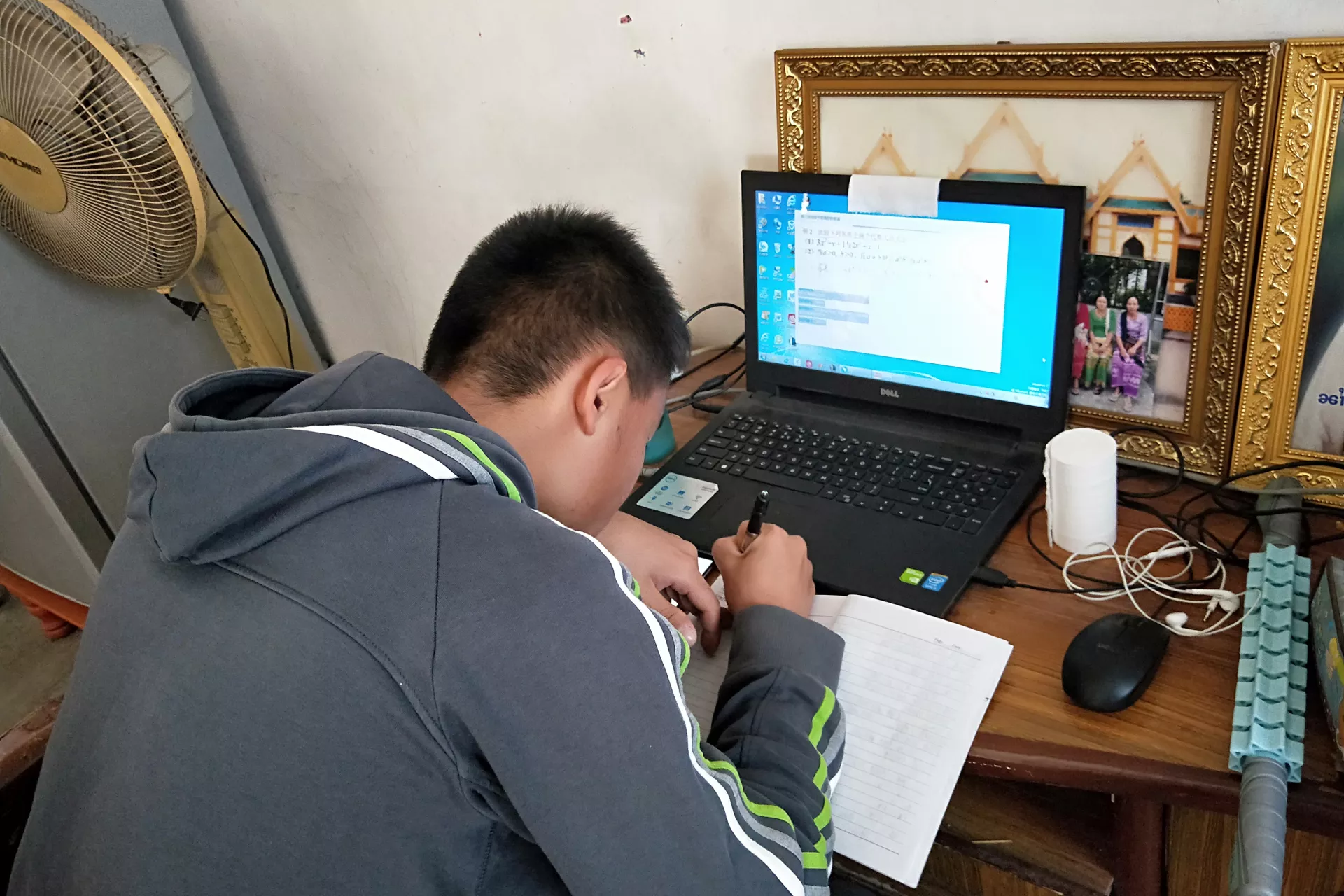



Free and affordable online resources are widely available, such as Coursera, Udemy, or Alison. Certificates from these courses enhance your CV.
Step 7: Practice Interview Skills
Securing an interview is only half the battle; performing well during the interview is crucial.
Interview preparation tips:
- Research the company and role
- Prepare answers for common questions like:
- “Tell me about yourself”
- “Why should we hire you?”
- “Describe a challenge you faced and how you overcame it”
- Dress professionally
- Practice body language and eye contact
Mock interviews with friends or mentors can help you gain confidence and reduce anxiety.
Step 8: Use Social Media Professionally
Employers often check social media profiles before hiring. Ensure your online presence is professional:
- Remove inappropriate posts or photos
- Highlight skills and achievements on LinkedIn
- Share articles or posts related to your field
- Join professional groups for networking opportunities
A strong online presence can set you apart from other candidates.
Step 9: Stay Organized and Track Applications
Job hunting can be overwhelming, so organization is key.
- Keep a list of jobs applied for, including:
- Company name
- Job title
- Application date
- Follow-up actions
- Set reminders for follow-ups and interviews
- Track responses and feedback
Being organized ensures you don’t miss opportunities and allows you to reflect on which strategies work best.
Step 10: Stay Positive and Persistent
Job searching can take time, especially for youth entering the workforce. Rejection is common, but persistence pays off.
- Apply regularly to multiple positions
- Learn from each application and interview
- Celebrate small wins like securing an interview or completing a course
- Maintain a positive mindset
Employers often value resilience and determination as much as qualifications.
Step 11: Seek Career Guidance and Support
Finally, don’t hesitate to seek advice and support.
- Career guidance offices at colleges or universities
- Youth employment programs offered by government and NGOs
- Mentorship programs from industry professionals
These resources provide valuable insights, feedback, and opportunities for growth.
Final Thoughts
Unemployed youth face significant challenges, but a strategic approach to job searching can make a huge difference. By assessing your skills, preparing professional application documents, networking, gaining experience, and continuously learning, you position yourself as a competitive candidate.
Summary of Steps for Job Search Success:
- Assess your skills and interests
- Prepare a professional CV and cover letter
- Use online job portals
- Network and build connections
- Consider internships, learnerships, or volunteer work
- Develop relevant skills through courses
- Practice interview skills
- Maintain a professional online presence
- Stay organized and track applications
- Stay positive and persistent
- Seek career guidance and mentorship
With persistence, preparation, and a proactive mindset, unemployed youth can overcome barriers, secure employment, and build a foundation for a successful career.
If you want, I can also create a visual step-by-step checklist version of these job search tips that youth can use to follow the process more easily. This can make the guide even more practical.
Do you want me to do that?
