
How to Prepare for Online Job Assessments
How to Prepare for Online Job Assessments: Step-by-Step Guide
In today’s digital hiring landscape, online job assessments have become a standard part of the recruitment process. Companies use these assessments to evaluate candidates’ skills, aptitude, and suitability before inviting them for interviews. Whether you are applying for your first job or looking to advance your career, preparing for these assessments is crucial to stand out from the competition.
This step-by-step guide will walk you through how to prepare effectively for online job assessments, from understanding the types of tests to practice and mindset preparation.
Step 1: Understand the Types of Online Job Assessments
The first step in preparation is understanding what kind of assessment you might face. Common types include:
- Aptitude Tests: Measure reasoning, problem-solving, and logical thinking. Examples: numerical reasoning, verbal reasoning, and abstract reasoning tests.
- Skills Tests: Assess specific job-related skills, such as coding, Excel, graphic design, or typing speed.
- Personality Assessments: Evaluate your behavioral traits, work style, and cultural fit. These include situational judgment tests and psychometric evaluations.
- Situational Judgment Tests (SJTs): Present hypothetical workplace scenarios to see how you would respond.
- Technical or Job-Specific Tests: For specialized roles, these tests assess your knowledge of industry-specific tools or concepts.
Knowing the type of assessment in advance allows you to focus your preparation effectively. Most employers provide hints about the assessment type during the application process or in an email invitation.
Step 2: Research the Company and Role
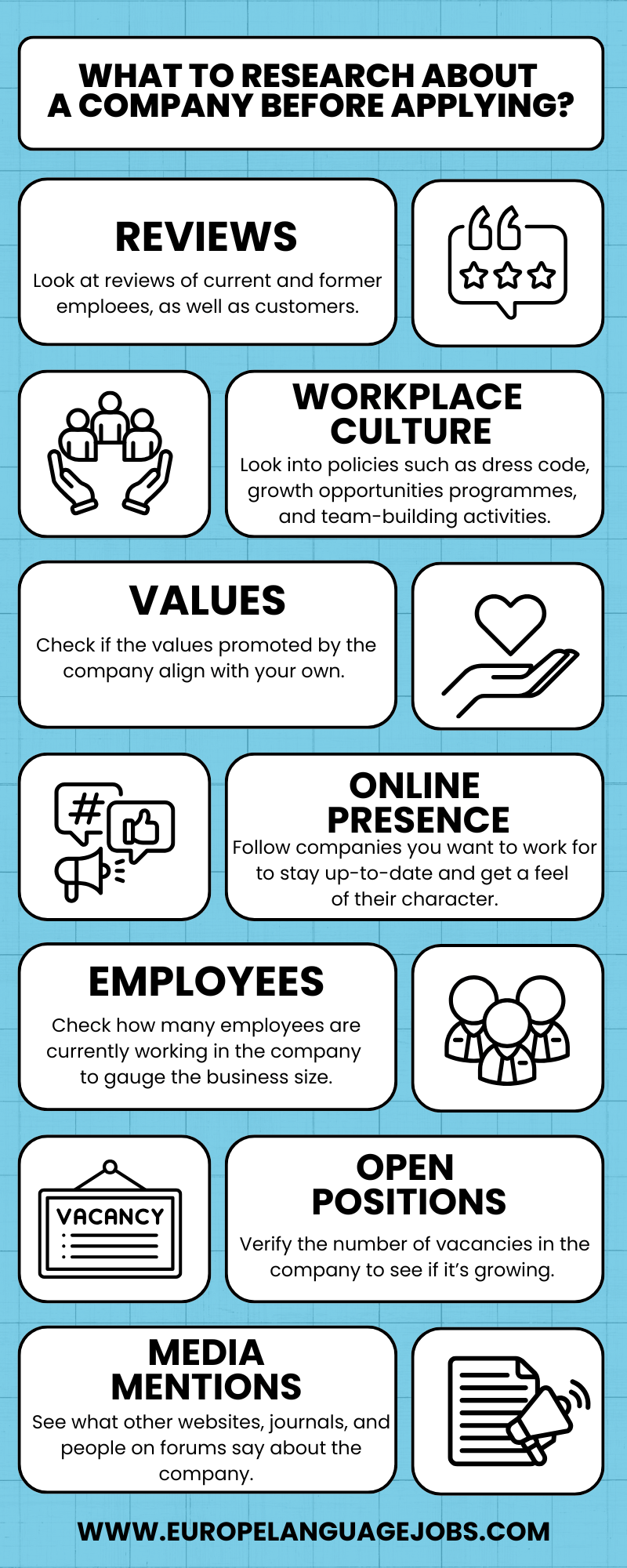
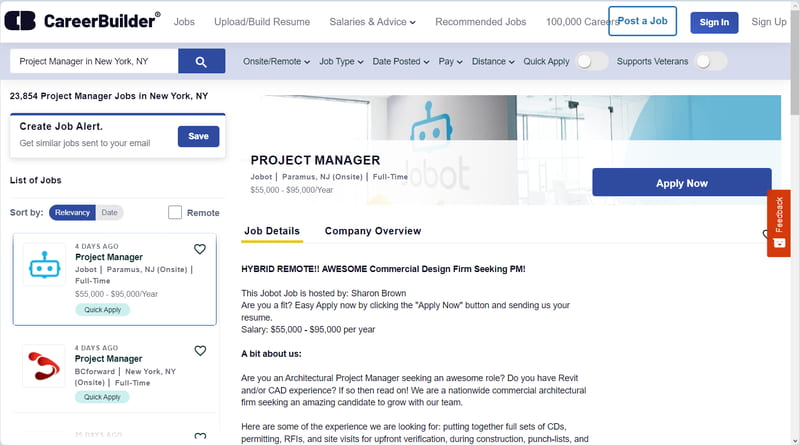


Understanding the company and role helps you anticipate the skills or traits being tested. For example:
- A finance role may emphasize numerical reasoning and attention to detail.
- A sales position may focus on situational judgment and communication skills.
- A tech role may include coding tests or software proficiency assessments.
How to research:
- Review the company website, especially “About Us” and “Careers” pages.
- Look at LinkedIn profiles of current employees in similar roles.
- Study the job description carefully to identify the skills and competencies being sought.
This step helps you align your preparation with the employer’s expectations.
Step 3: Gather Necessary Tools
Online assessments are usually completed on a computer or tablet. Ensure you have:
- A reliable internet connection
- A computer or laptop with a functional keyboard and mouse
- A quiet, distraction-free environment
- Headphones or a microphone if the test involves audio or video components
- A calculator if allowed, for numerical tests
Testing your equipment beforehand prevents technical issues during the assessment.
Step 4: Review Basic Skills
Many online assessments test foundational skills. Focus on areas relevant to your role:
- Numerical reasoning: Practice arithmetic, percentages, ratios, and interpreting graphs.
- Verbal reasoning: Improve comprehension, grammar, and logical reasoning.
- Logical and abstract reasoning: Practice pattern recognition, sequences, and problem-solving exercises.
- Job-specific skills: Brush up on software, coding languages, or industry knowledge.
Resources for practice:
- Free online test websites (e.g., SHL, Practice Aptitude Tests)
- YouTube tutorials on specific assessment types
- Online coding platforms for tech roles
Consistent practice improves speed and accuracy, which are often key to passing timed assessments.
Step 5: Practice Time Management
Online assessments are usually timed, so learning to manage your time is essential.
- Read instructions carefully but quickly.
- Allocate time per question and avoid spending too long on one item.
- Answer all questions if possible; guessing is better than leaving blanks in multiple-choice tests.
Tip:
Use practice tests to simulate real conditions. This helps you build speed without sacrificing accuracy.
Step 6: Learn Test-Taking Strategies
Every type of assessment has strategies that can improve performance:
- Numerical Tests: Focus on approximation and shortcuts rather than calculating every detail.
- Verbal Tests: Skim passages for key points and eliminate obviously wrong options.
- Logical Reasoning: Look for patterns and use elimination methods.
- Situational Judgment Tests: Align responses with company values, showing professionalism and problem-solving ability.
These strategies help you approach questions confidently and efficiently.
Step 7: Practice Mental and Physical Preparedness
Your mindset and physical readiness impact performance:
- Rest well: A good night’s sleep improves concentration.
- Eat a balanced meal: Avoid heavy or sugary foods that can cause fatigue.
- Stay hydrated: Dehydration affects focus.
- Relaxation techniques: Deep breathing or short meditation before the test reduces anxiety.
A calm and alert mind can significantly improve your performance on challenging assessments.
Step 8: Review and Learn From Practice Tests
Practice tests are not only about getting answers right—they also highlight areas where you need improvement.
- Identify patterns in mistakes.
- Focus on weaker sections during subsequent practice sessions.
- Track improvement over time to gain confidence.
Most online practice platforms provide detailed explanations for correct answers, which is valuable for learning and skill-building.
Step 9: Prepare for Technical and Job-Specific Assessments
For specialized roles, technical assessments are common:
- IT and coding: Use platforms like HackerRank, LeetCode, or CodeSignal for practice.
- Finance and accounting: Practice Excel, financial analysis, or problem-solving scenarios.
- Customer service or sales: Review role-play simulations and scenario-based questions.
Tailoring your preparation to the specific requirements of the job gives you a competitive edge.
Step 10: Follow Instructions Carefully During the Assessment
On the day of the test:
- Log in early to troubleshoot any technical issues.
- Read instructions thoroughly before starting.
- Keep an eye on the timer without panicking.
- Avoid distractions and stay focused.
Remember, assessments often test not only your skills but also your attention to detail and ability to follow instructions.
Step 11: Post-Assessment Reflection
After completing the test:
- Take notes on questions you found challenging.
- Reflect on what strategies worked and what didn’t.
- Use this feedback to improve for future assessments.
Even if you don’t succeed immediately, learning from each experience strengthens your performance in subsequent applications.
Final Thoughts
Online job assessments are an essential part of modern recruitment. They allow employers to evaluate candidates efficiently, and for job seekers, they provide a platform to showcase skills objectively.
Summary of Preparation Steps:
- Understand the types of online assessments
- Research the company and role
- Gather necessary tools and a distraction-free environment
- Review and practice basic skills
- Practice time management
- Learn test-taking strategies
- Prepare mentally and physically
- Use practice tests to identify weaknesses
- Prepare for technical or job-specific assessments
- Follow instructions carefully during the test
- Reflect and learn after the assessment
By approaching online assessments methodically, candidates can significantly improve their chances of success. Preparation, practice, and confidence are key to performing well and securing the job.
With consistent effort and strategic preparation, online assessments can become a stepping stone to achieving your career goals.
If you want, I can also create a visual checklist version of this guide that candidates can use to prepare quickly for any online job assessment. This makes it even more practical.
Do you want me to do that?
