
Entry-Level Jobs Without Experience
Entry-Level Jobs Without Experience: A Step-by-Step Guide
Starting your career without prior work experience can feel frustrating. Many job advertisements ask for experience—even for “entry-level” positions. If you’re a recent graduate, school leaver, or someone changing careers, you might wonder: How do I get a job if I don’t have experience?
The good news is that many entry-level jobs are specifically designed for beginners. Employers often look for potential, attitude, and transferable skills rather than formal work history.
This step-by-step guide will help you understand how to find, apply for, and secure entry-level jobs without experience.
Step 1: Understand What “Entry-Level” Really Means
Entry-level jobs are positions created for individuals who are new to the workforce or new to a particular industry. These roles typically include training and supervision.
Employers hiring for entry-level roles usually look for:
- Willingness to learn
- Good communication skills
- Basic literacy and numeracy
- Reliability and punctuality
- Positive attitude
You may not have job experience—but you likely have skills gained from school, volunteering, sports, or personal projects.
Step 2: Identify Transferable Skills
Transferable skills are abilities you can use in many different jobs.
Examples include:
- Communication
- Teamwork
- Time management
- Problem-solving
- Computer literacy
- Customer service
For example:
- Group projects in school show teamwork.
- Managing a school event shows leadership.
- Helping in a family business shows responsibility.
Even without formal employment, you have valuable skills. The key is learning how to present them.
Common Entry-Level Jobs Without Experience
1. Retail Assistant




Retail stores frequently hire beginners.
Responsibilities:
- Assisting customers
- Operating the cash register
- Restocking shelves
- Maintaining store cleanliness
Retail jobs help you develop communication and customer service skills.
2. Call Center Agent




Many call centers provide full training.
Responsibilities:
- Answering customer calls
- Handling complaints
- Providing information
- Updating records
Strong communication skills and patience are more important than experience.
3. Administrative Assistant


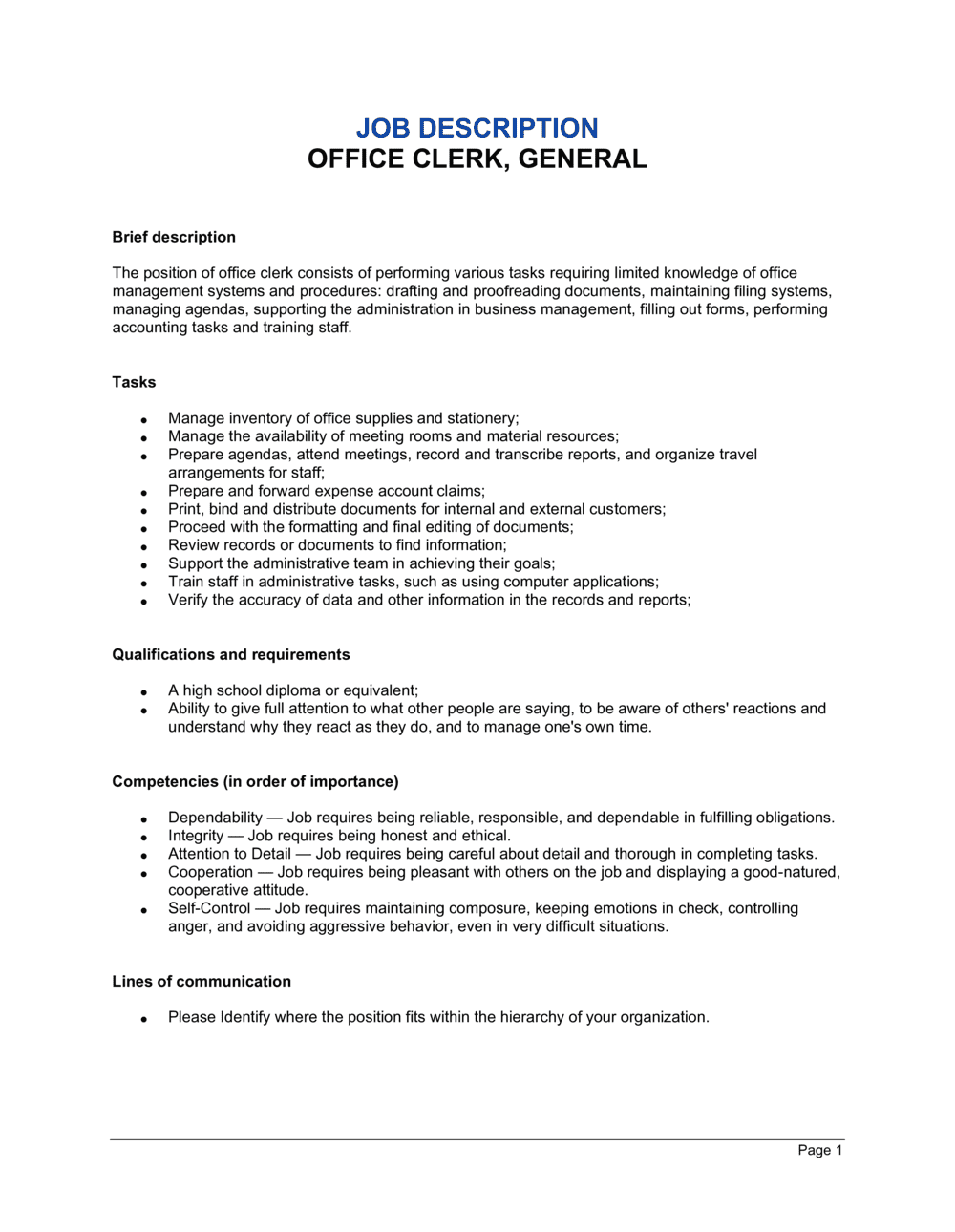

Offices often hire junior administrators.
Responsibilities:
- Filing documents
- Answering emails
- Scheduling appointments
- Data entry
Basic computer knowledge is usually required.
4. Warehouse Worker

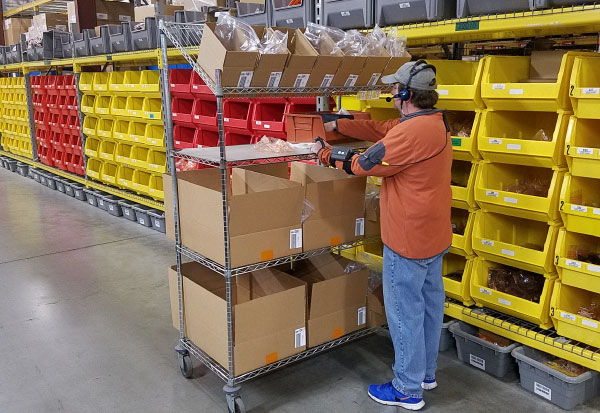


Warehouses frequently hire entry-level workers.
Responsibilities:
- Packing goods
- Sorting items
- Loading and unloading trucks
- Inventory checking
Physical fitness and reliability are key.
5. Hospitality and Restaurant Jobs




Restaurants and hotels often hire beginners.
Roles Include:
- Waiter/waitress
- Barista
- Host/hostess
- Kitchen assistant
- Hotel receptionist
These jobs help build communication and multitasking skills.
Step 3: Create a Strong Beginner-Friendly CV
Even without experience, your CV can still stand out.
Include:
- Personal details
- Educational background
- Skills
- Volunteer work
- School achievements
- Certifications (if any)
Focus on strengths such as:
- Fast learner
- Hardworking
- Responsible
- Good team player
Keep your CV simple and professional.
Step 4: Use Job Search Platforms
Many entry-level jobs are posted online.
Platforms like Indeed and LinkedIn regularly list beginner-friendly positions.
Tips for Searching:
- Use keywords like “entry-level,” “no experience,” or “junior.”
- Set up job alerts.
- Apply consistently.
You can also visit company websites directly.
Step 5: Apply Strategically
Instead of applying randomly, focus on roles that:
- Match your skills
- Offer training
- Have clear growth opportunities
Customize each application by highlighting relevant skills.
For example:
If applying for a retail job, emphasize communication and customer service skills.
Step 6: Prepare for Interviews
Interviewers hiring entry-level candidates usually focus on attitude and potential.
Common Questions:
- Why do you want this job?
- Are you willing to learn?
- Can you work in a team?
- How do you handle pressure?
How to Impress:
- Dress neatly
- Arrive early
- Maintain eye contact
- Speak clearly
- Show enthusiasm
Confidence and positivity can compensate for lack of experience.
Step 7: Consider Internships and Learnerships
If you struggle to find direct employment, consider:
- Internships
- Learnerships
- Apprenticeships
These programs provide structured training and work exposure.
They often lead to permanent employment.
Step 8: Start Small and Grow
Your first job may not be your dream job—and that’s okay.
Entry-level roles help you:
- Gain work experience
- Build a professional network
- Develop discipline
- Learn workplace culture
After 6–12 months of experience, more opportunities open up.
Career growth is gradual.
Step 9: Build Your Professional Reputation
Once you secure a job:
- Be punctual
- Show initiative
- Ask questions
- Accept feedback
- Maintain a positive attitude
Employers notice hardworking employees.
Many promotions and opportunities come from internal recommendations.
Step 10: Keep Learning
While working, continue improving your skills.
You can:
- Take short online courses
- Improve computer skills
- Learn communication techniques
- Attend workshops
Continuous learning increases your value in the job market.
Common Mistakes to Avoid
- Saying “I have no skills”
- Sending incomplete CVs
- Applying only once and giving up
- Being late for interviews
- Showing lack of confidence
Persistence is key.
Final Thoughts
Finding entry-level jobs without experience may seem challenging, but it is absolutely possible. Employers understand that everyone starts somewhere.
Focus on your strengths, transferable skills, and willingness to learn. Apply consistently, prepare thoroughly for interviews, and maintain a positive attitude.
Your first job is a stepping stone—not your final destination. With dedication and hard work, entry-level positions can lead to promotions, better salaries, and long-term career success.
Remember: experience is gained by starting. The sooner you begin, the sooner you grow.
