
Career Options After Matric
Career Options After Matric: A Step-by-Step Guide
Completing matric (Grade 12) is a major milestone. It marks the end of school life and the beginning of important decisions about your future. For many students, this period can feel overwhelming. Questions like “What should I study?”, “Should I work or continue studying?”, and “What career is right for me?” are common.
The good news is that there are many career options available after matric. Whether you choose university, vocational training, entrepreneurship, or employment, your journey can be successful with the right planning.
This step-by-step guide will help you explore and choose the best career path after matric.
Step 1: Understand Yourself First
Before choosing a career path, take time to reflect on:
- Your strengths and weaknesses
- Subjects you performed well in
- Your interests and passions
- Your personality type
- Your financial situation
For example:
- If you enjoy math and science, engineering or accounting may suit you.
- If you enjoy helping people, nursing or social work may be ideal.
- If you’re creative, graphic design or media could be a good option.
Self-awareness is the foundation of making the right career choice.
Step 2: Decide Whether to Study Further or Work
After matric, you typically have two main directions:
- Continue studying
- Enter the workforce
Some students combine both by studying part-time while working.
Your decision should depend on:
- Your career goals
- Financial resources
- Admission requirements
- Personal responsibilities
There is no “one-size-fits-all” path. Success depends on what works best for you.
Option 1: University Education




University is a popular choice for many matriculants.
Popular University Courses:
- Law
- Medicine
- Engineering
- Accounting
- Education
- Computer Science
- Business Management
Benefits of University:
- Recognized qualifications
- Higher earning potential
- Professional career paths
- Structured learning environment
Requirements:
- Bachelor’s pass in matric
- Specific subject requirements
- Admission points score (APS)
University degrees typically take 3–6 years depending on the field.
If you aim for professional careers like doctor, lawyer, or engineer, university is usually required.
Option 2: TVET Colleges and Vocational Training
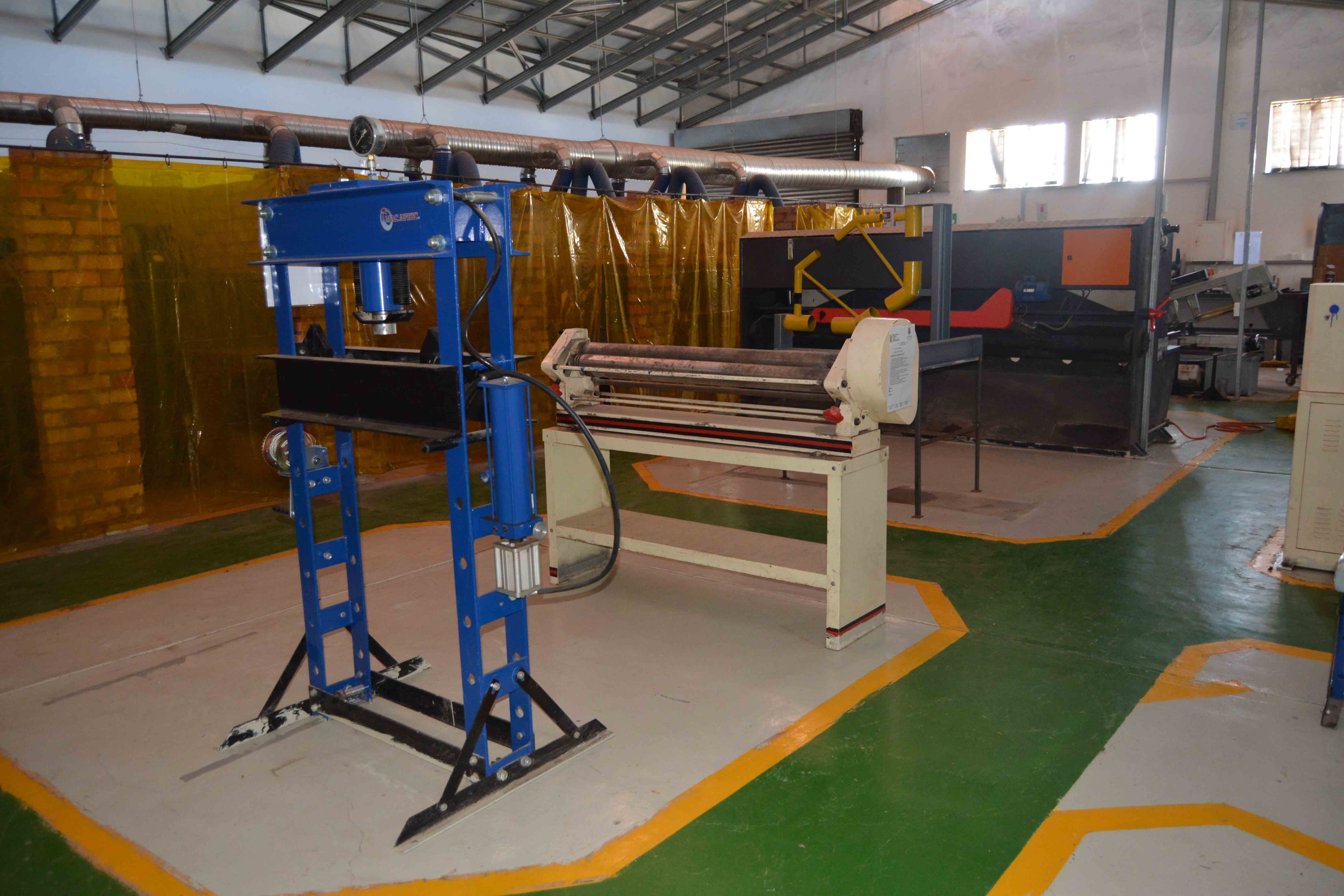

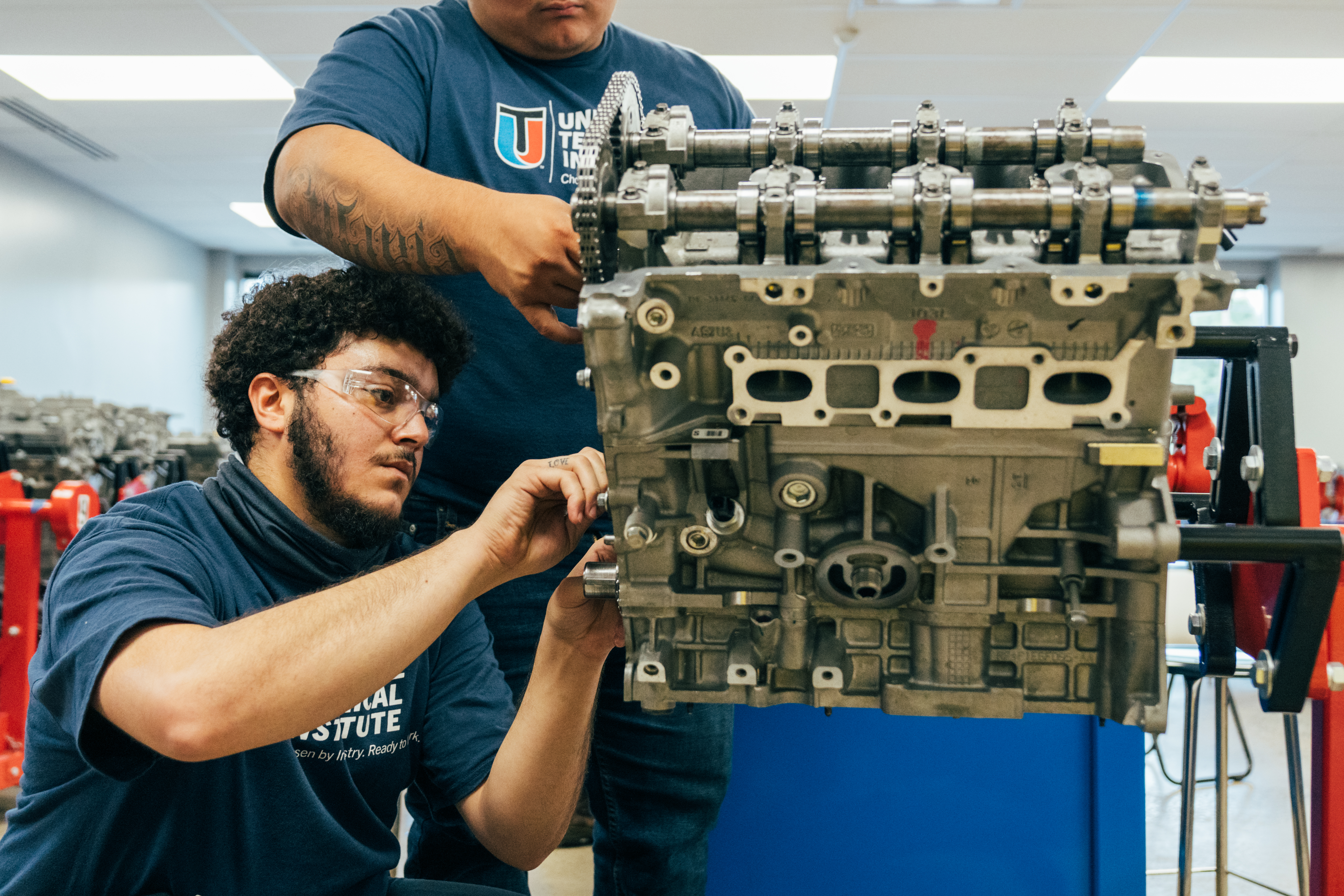

Technical and Vocational Education and Training (TVET) colleges provide practical, skills-based training.
Courses Offered:
- Electrical engineering
- Plumbing
- Welding
- Automotive repair
- Hospitality
- Office administration
- Tourism
Benefits:
- Shorter study periods
- Practical hands-on skills
- High demand for artisans
- Lower tuition fees
Vocational careers are essential in the economy and often offer strong job security.
If you prefer practical work over academic study, this may be a great option.
Option 3: Learnerships and Apprenticeships


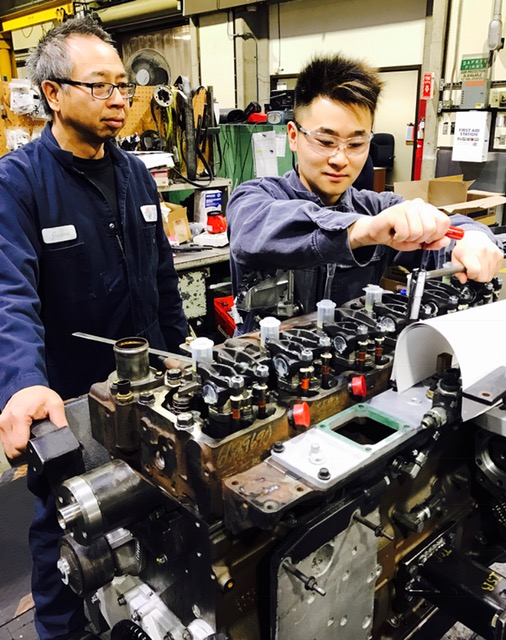

Learnerships combine classroom learning with workplace experience.
Advantages:
- You earn while you learn
- Gain practical work experience
- Improve employability
- Build industry connections
Apprenticeships are common in trades such as:
- Electrical work
- Carpentry
- Fitting and turning
- Automotive mechanics
This path is ideal if you want to start earning income quickly while building skills.
Option 4: Short Courses and Certifications




Short courses are excellent if you want to enter the workforce quickly.
Popular Short Courses:
- Digital marketing
- Graphic design
- Coding and web development
- Project management
- Beauty therapy
- Computer literacy
Many institutions and online platforms offer flexible study options.
Short courses are affordable and help you gain job-ready skills in months rather than years.
Option 5: Entrepreneurship




If you have a business idea, entrepreneurship is another path after matric.
Business Ideas:
- Online clothing store
- Freelance graphic design
- Tutoring services
- Hair and beauty services
- Baking or catering
Benefits:
- Independence
- Unlimited income potential
- Creative freedom
However, entrepreneurship requires discipline, financial planning, and risk-taking ability.
You can also combine entrepreneurship with further studies.
Option 6: Entering the Workforce Immediately
Some students choose to work immediately after matric.
Entry-Level Jobs:
- Retail assistant
- Call center agent
- Receptionist
- Sales representative
- Warehouse assistant
While entry-level jobs may not pay high salaries initially, they help you:
- Gain work experience
- Develop soft skills
- Build a professional network
- Save money for future studies
Work experience can later support career growth.
Step 3: Research Career Opportunities
Before making a final decision:
- Research job market demand
- Check salary expectations
- Explore growth opportunities
- Speak to professionals in the field
- Attend career expos
Choosing a career with strong future demand improves long-term stability.
Step 4: Consider Financial Support Options
If finances are a concern, explore:
- Bursaries
- Scholarships
- Student loans
- Government funding programs
- Part-time work opportunities
Financial limitations should not stop you from pursuing your goals.
Step 5: Make a Plan
Once you choose a path:
- Apply early to institutions
- Prepare required documents
- Meet deadlines
- Set clear short-term and long-term goals
Planning reduces stress and increases your chances of success.
Step 6: Stay Flexible and Open-Minded
It’s important to remember:
- Your first choice does not have to be permanent.
- Many people change careers later in life.
- Skills can transfer between industries.
If one path doesn’t work, you can always adjust and try another.
Growth often comes from experience and learning.
Final Thoughts
After matric, you have multiple career options—university, vocational training, learnerships, short courses, entrepreneurship, or employment. The best choice depends on your interests, strengths, goals, and circumstances.
There is no single “right” path. Success comes from commitment, continuous learning, and determination.
Take time to understand yourself, research your options, plan carefully, and move forward with confidence. Matric is not the end—it is the beginning of your journey toward building a fulfilling and successful career.
