
Skills Employers Look for in South Africa
Skills Employers Look for in South Africa (Step-by-Step Guide)
South Africa’s job market is competitive and constantly evolving. With high unemployment rates and rapid technological change, employers are no longer looking only for qualifications — they want candidates who bring practical skills, adaptability, and value to the workplace.
Whether you are a recent graduate, a student preparing for your career, or a professional seeking new opportunities, understanding what employers in South Africa truly want can significantly improve your chances of getting hired.
This step-by-step guide will walk you through the key skills employers look for in South Africa and how you can develop them.
Step 1: Master Strong Communication Skills

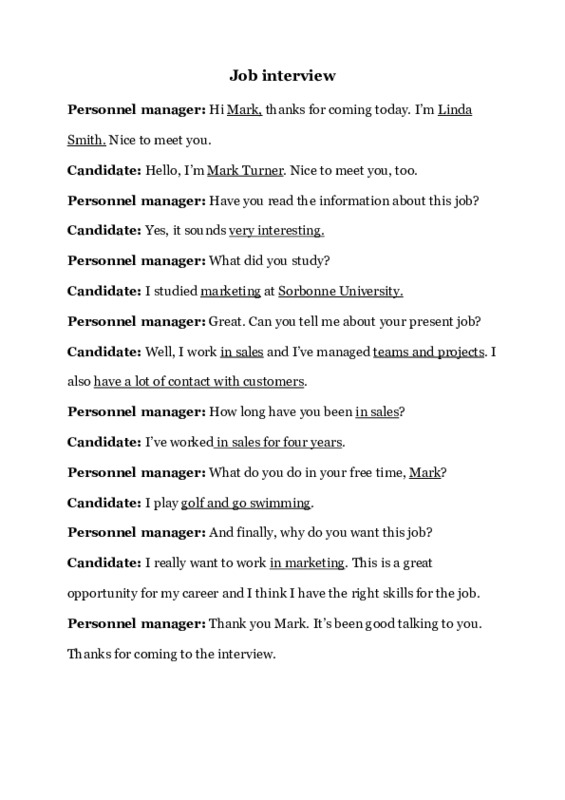

Communication is one of the most sought-after skills across all industries in South Africa.
Employers want candidates who can:
- Speak clearly and confidently
- Write professional emails and reports
- Listen actively
- Present ideas effectively
In a diverse country with 11 official languages, the ability to communicate respectfully and professionally across cultures is a major advantage.
How to improve:
- Practice public speaking
- Take short business communication courses
- Improve your written English
- Engage in group discussions and presentations
Good communication builds teamwork, customer relationships, and leadership potential.
Step 2: Develop Digital and Technical Skills
Technology is transforming every sector — from finance to agriculture. Employers increasingly expect candidates to have basic digital literacy.




Key digital skills in demand include:
- Microsoft Office (especially Excel and Word)
- Basic data analysis
- Email and online collaboration tools
- Social media management
- Industry-specific software
South Africa’s growing tech ecosystem, particularly in cities like Cape Town and Johannesburg, has increased demand for IT professionals, programmers, and digital marketers.
How to improve:
- Take free or affordable online courses
- Practice using Excel for budgeting or tracking data
- Learn basic coding or digital marketing
- Stay updated on new technology trends
Even if you are not in IT, digital confidence makes you more employable.
Step 3: Build Problem-Solving Abilities
South African businesses operate in a dynamic environment affected by economic shifts, load shedding, and global competition. Employers need workers who can think critically and solve problems.
They value people who:
- Analyze situations logically
- Identify practical solutions
- Adapt quickly to change
- Remain calm under pressure
How to improve:
- Take part in case study exercises
- Join debate clubs or discussion forums
- Practice decision-making in real-life scenarios
- Reflect on how you solved past challenges
Problem-solving skills show initiative and leadership potential.
Step 4: Show Strong Work Ethic and Reliability
Employers consistently rank reliability and professionalism as top priorities.




This includes:
- Punctuality
- Meeting deadlines
- Taking responsibility
- Being honest and accountable
In a competitive market, employers prefer candidates who demonstrate commitment and discipline.
How to improve:
- Arrive early for interviews
- Submit assignments on time
- Follow through on commitments
- Maintain a professional attitude
Consistency builds trust.
Step 5: Strengthen Teamwork and Collaboration
Most workplaces require collaboration. Employers in South Africa value people who can work effectively in teams, especially in multicultural environments.
You should be able to:
- Respect diverse perspectives
- Contribute ideas
- Accept feedback
- Support colleagues
South Africa’s workforce is culturally rich and diverse. The ability to collaborate respectfully is a powerful asset.
How to improve:
- Participate in group projects
- Volunteer in community initiatives
- Join sports teams or clubs
- Practice conflict resolution skills
Team players are often promoted faster than those who prefer to work alone.
Step 6: Gain Industry-Specific Technical Skills
Beyond soft skills, employers look for specialized technical expertise depending on the industry.
High-demand sectors in South Africa include:
- Finance and accounting
- Information technology
- Engineering
- Healthcare
- Renewable energy
- Logistics and supply chain
Major employers such as Sasol, Standard Bank, and MTN seek candidates with both technical qualifications and practical experience.
How to improve:
- Complete internships
- Obtain certifications
- Attend workshops and seminars
- Seek mentorship in your field
Practical experience often matters just as much as formal education.
Step 7: Cultivate Adaptability and Willingness to Learn
The South African economy is constantly changing. Employers prefer candidates who are flexible and open to learning new skills.
Adaptable employees:
- Embrace change
- Learn new systems quickly
- Handle uncertainty positively
- Continuously upgrade their skills
How to improve:
- Take short courses regularly
- Stay informed about industry trends
- Accept new responsibilities at work
- Be open to feedback
A growth mindset makes you future-proof.
Step 8: Demonstrate Leadership Potential
Leadership is not only for managers. Employers look for individuals who show initiative and responsibility at all levels.
Leadership qualities include:
- Taking ownership of tasks
- Motivating others
- Making informed decisions
- Communicating vision clearly
Even in entry-level roles, showing leadership potential can set you apart.
How to improve:
- Volunteer to lead group projects
- Mentor juniors or classmates
- Participate in student or community leadership programs
- Practice decision-making
Leadership signals long-term value.
Step 9: Improve Financial and Business Awareness
Understanding basic business principles gives you an edge in interviews and the workplace.
Employers appreciate candidates who understand:
- How companies make money
- Budgeting basics
- Customer satisfaction
- Market competition
This is especially important in entrepreneurship-driven sectors and small businesses across South Africa.
How to improve:
- Read business news
- Learn basic accounting principles
- Study how your industry operates
- Understand your employer’s business model
Commercial awareness makes you more strategic.
Step 10: Build Emotional Intelligence
Emotional intelligence (EQ) is increasingly important in South African workplaces.
This includes:
- Self-awareness
- Empathy
- Conflict management
- Professional behavior under stress
High EQ improves teamwork, customer service, and leadership effectiveness.
How to improve:
- Practice active listening
- Reflect on your reactions to stress
- Seek feedback from peers
- Develop patience and understanding
Employers value people who contribute positively to workplace culture.
Final Thoughts
In South Africa’s competitive job market, qualifications alone are not enough. Employers are looking for a combination of:
- Communication skills
- Digital literacy
- Problem-solving ability
- Strong work ethic
- Teamwork
- Industry-specific expertise
- Adaptability
- Leadership
- Business awareness
- Emotional intelligence
The good news is that these skills can be developed with effort and consistency.
Start by identifying which skills you already have and which need improvement. Then create a step-by-step personal development plan. Take courses, seek mentorship, gain experience, and continuously refine your abilities.
When you align your skills with what South African employers truly need, you dramatically increase your employability and career growth opportunities.
Success in today’s job market belongs to those who are skilled, adaptable, and prepared.
