

Career Guidance for School Leavers
Career Guidance for School Leavers: Step-by-Step Guide
Leaving school marks an important transition in life. For many school leavers in South Africa, deciding what to do next—whether to pursue higher education, vocational training, or enter the workforce—can feel overwhelming. Career guidance is essential to help young people make informed decisions, identify their strengths, and plan a path toward a fulfilling career.
This step-by-step guide will provide practical advice and strategies for school leavers to navigate their career journey effectively.
Step 1: Assess Your Interests and Strengths
The first step in career planning is understanding yourself. School leavers should reflect on:
- Subjects you excelled in at school
- Hobbies or activities that excite you
- Your personal strengths, such as problem-solving, creativity, or leadership
- Work environments you enjoy, like office-based, outdoor, or team-oriented settings
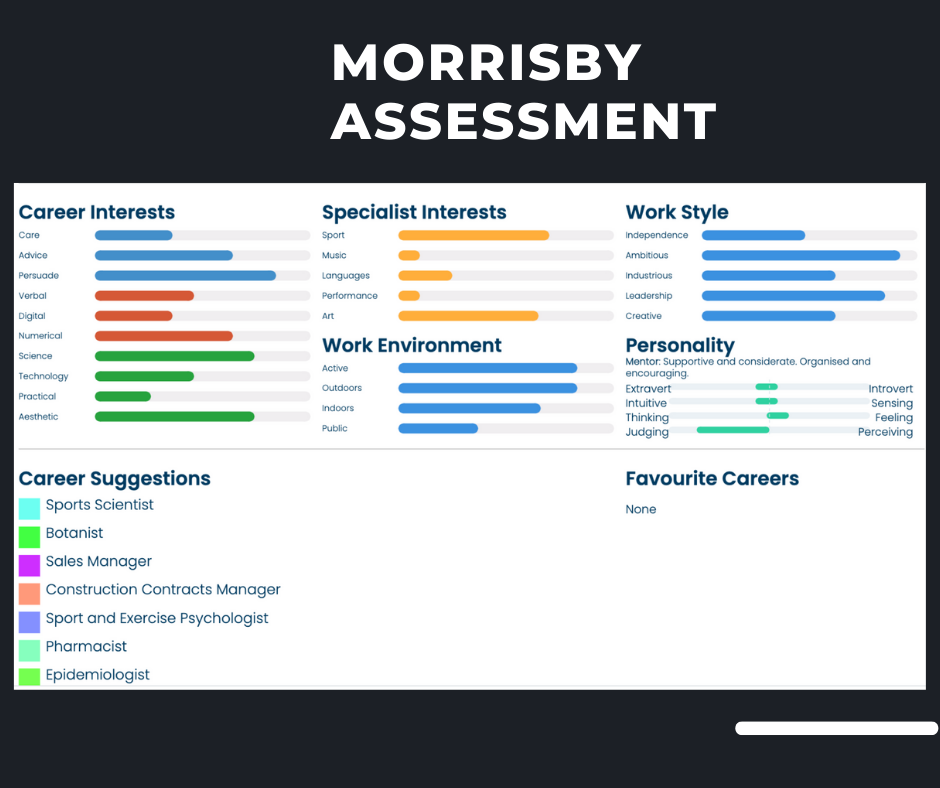



Creating a skills and interest inventory helps narrow down career options and ensures your choices align with your natural abilities and passions.
Step 2: Research Career Options
Once you know your interests and strengths, research possible careers that match them. Consider:
- High-demand industries in South Africa, such as IT, healthcare, renewable energy, finance, and logistics
- Entry requirements, including qualifications, certificates, or vocational training
- Potential growth opportunities and salary expectations
- Work environments and lifestyle compatibility
Resources for research include:
- Online career portals and government websites
- College and university brochures
- Job-shadowing or mentorship opportunities
- Conversations with professionals in your areas of interest
Thorough research reduces the risk of choosing a career that doesn’t suit your skills or goals.
Step 3: Explore Further Education and Training
School leavers have several options for education and skill development:
- University: For academic and professional careers like law, engineering, medicine, or business
- TVET Colleges: Offer practical, vocational training in fields such as hospitality, construction, and IT
- Learnerships and Internships: Funded programs combining workplace experience with formal training
- Short Courses and Online Learning: Platforms like Coursera, Udemy, or Alison provide affordable skills development
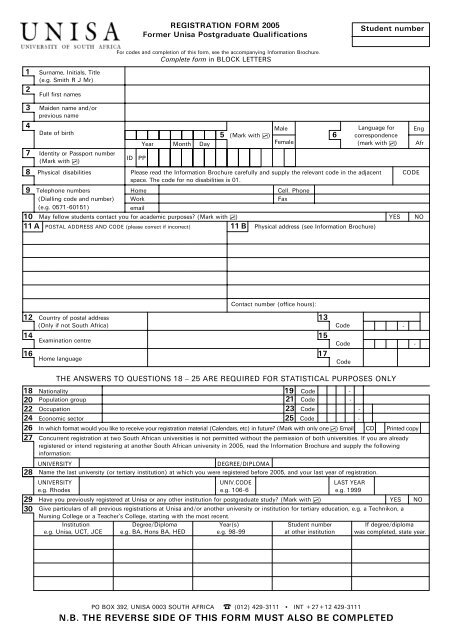



Choosing the right education or training path depends on your career goals, financial situation, and learning preferences.
Step 4: Understand Financial Options
Finances are often a major consideration for school leavers pursuing further studies. Explore available funding sources:
- NSFAS (National Student Financial Aid Scheme): Provides funding for tuition, accommodation, and living expenses for eligible students at public universities and TVET colleges
- Bursaries and Scholarships: Many companies and organizations offer merit- or need-based funding
- Part-Time Work or Internships: Helps cover expenses while gaining experience
Understanding your options early helps you plan realistically and avoid financial stress during your studies.
Step 5: Develop Employability Skills
Even before entering the workforce or tertiary education, school leavers should start developing essential skills that employers value:
- Communication Skills: Both written and verbal
- Problem-Solving and Critical Thinking: Ability to analyze and resolve issues
- Teamwork and Collaboration: Working well with others
- Digital Literacy: Basic computer skills and online communication
- Time Management and Work Ethic
These skills enhance your competitiveness, whether you choose higher education, vocational training, or direct employment.
Step 6: Gain Experience
Experience is crucial for building confidence and employability. School leavers can:
- Volunteer in community projects or NGOs
- Take part in internships or learnership programs
- Participate in school clubs, competitions, or leadership programs
- Seek part-time or temporary work
Even small experiences demonstrate initiative and can improve your CV or applications for further study.
Step 7: Seek Career Guidance
Career guidance professionals can help school leavers make informed decisions. Support can come from:
- School Career Counsellors: Many high schools offer guidance sessions and aptitude assessments
- Career Guidance Centers: Available at colleges, universities, and community centers
- Mentorship Programs: Industry professionals can provide advice and networking opportunities


Guidance ensures your decisions align with your abilities, interests, and realistic opportunities.
Step 8: Create a Career Plan
A career plan provides direction and measurable goals. Steps include:
- Short-Term Goals: For example, completing a course, applying for a learnership, or gaining work experience
- Medium-Term Goals: Such as completing a diploma or internship
- Long-Term Goals: Like entering a specific profession or starting your own business
Document your plan, review it regularly, and adjust it as you gain experience and learn more about your interests.
Step 9: Build a Professional Network
Networking is vital for career growth. School leavers can start building connections early:
- Attend career fairs and workshops
- Join professional groups on LinkedIn
- Connect with alumni from your school or college
- Participate in industry-related events or webinars
Networking opens doors to mentorship, internships, job opportunities, and valuable industry insights.
Step 10: Prepare Your CV and Application Skills
Even before securing your first job, school leavers should prepare professional application materials:
- CV: Highlight education, volunteer work, skills, and achievements
- Cover Letter: Explain why you’re interested in the role and your motivation to learn
- Interview Preparation: Practice answering questions, demonstrating confidence, and presenting yourself professionally
Well-prepared application materials increase your chances of success in both jobs and educational opportunities.
Step 11: Stay Informed and Adaptable
The job market and industries are constantly changing. School leavers should:
- Stay updated on trends in their chosen field
- Be willing to learn new skills or take on different roles
- Embrace opportunities for growth, even if they are not exactly what you envisioned
Adaptability and lifelong learning are crucial to building a sustainable and successful career.
Step 12: Maintain a Positive Mindset
Career planning can be stressful, especially when facing rejection or uncertainty. Maintaining a positive attitude is essential:
- Focus on your strengths and achievements
- Celebrate small milestones like completing a course or securing an interview
- Seek support from family, friends, or mentors when needed
- Stay persistent and proactive
A positive mindset enhances motivation and resilience, which are critical for long-term career success.
Final Thoughts
Career guidance for school leavers is a combination of self-assessment, research, education planning, skill development, and proactive action. By following this step-by-step approach, young people can make informed decisions, prepare for the future, and increase their chances of success in the workforce or further studies.
Summary of Steps for School Leavers:
- Assess your interests and strengths
- Research career options
- Explore further education and training
- Understand financial options
- Develop employability skills
- Gain experience through internships or volunteering
- Seek career guidance
- Create a career plan
- Build a professional network
- Prepare your CV and application skills
- Stay informed and adaptable
- Maintain a positive mindset
By taking these steps, school leavers can confidently navigate the transition from school to further education or employment, setting themselves up for a fulfilling and successful career.
