
How To Write A Professional CV
Writing a professional CV (Curriculum Vitae) can feel overwhelming, especially when you’re trying to present your entire career on just a few pages. However, with a structured approach, you can create a CV that clearly communicates your value, highlights your achievements, and increases your chances of landing interviews. Below is a comprehensive step-by-step guide to help you write a professional CV that stands out.
Step 1: Understand the Purpose of Your CV
Before you begin writing, understand what a CV is meant to do. A professional CV is not just a list of past jobs – it is a marketing document. Its purpose is to:
- Showcase your skills and experience
- Demonstrate your achievements
- Match your qualifications to the job you’re applying for
- Convince employers to invite you for an interview
Every section should support this goal.
Step 2: Choose the Right CV Format
There are three main CV formats:
1. Chronological CV
This format lists your work experience in reverse chronological order (most recent first). It is ideal if you have a consistent work history and career progression.
2. Functional CV
This format focuses on skills rather than work history. It works well if you’re changing careers or have employment gaps.
3. Combination CV
This format blends both chronological and functional elements. It highlights skills while still listing work history.
For most professionals, the chronological format is preferred because it clearly shows career growth.
Step 3: Add Your Contact Information
At the top of your CV, include:
- Full name
- Professional email address
- Phone number
- LinkedIn profile (if applicable)
- Location (city and country)
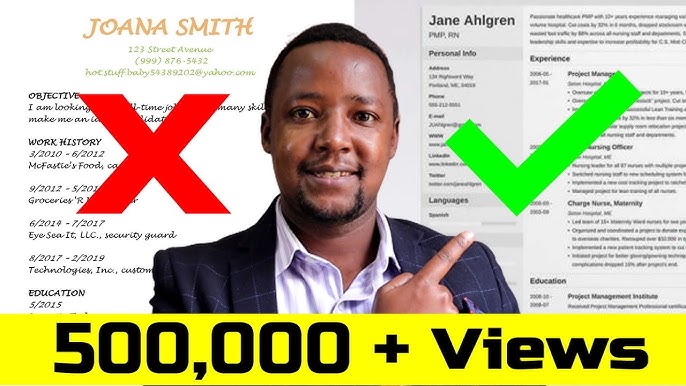
Make sure your email address is professional (e.g., firstname.lastname@email.com). Avoid nicknames or unprofessional usernames.
Step 4: Write a Strong Professional Summary
Your professional summary is a short paragraph (3–5 sentences) at the top of your CV that summarizes your experience, skills, and career goals.
A strong summary should:
- Mention your job title or professional identity
- Highlight years of experience
- Include key skills
- Emphasize a major achievement
Example:
“Results-driven marketing specialist with 5+ years of experience in digital campaigns and brand strategy. Proven track record of increasing online engagement by 40% through targeted social media initiatives. Seeking to leverage analytical and creative skills to drive growth.”
Keep it concise and tailored to the job you are applying for.
Step 5: Detail Your Work Experience
This is the most important section of your CV. List your work experience in reverse chronological order.
For each role, include:
- Job title
- Company name
- Location
- Employment dates
- Key responsibilities and achievements
When describing your responsibilities:
✔ Use bullet points
✔ Start each point with an action verb (e.g., managed, developed, led, implemented)
✔ Focus on achievements, not just duties
✔ Quantify results whenever possible
Instead of writing:
- Responsible for managing sales team
Write:
- Led a team of 8 sales representatives, increasing quarterly revenue by 25%
Numbers make your achievements more credible and impactful.
Step 6: Highlight Your Skills
Create a separate skills section that includes both:
Hard Skills
Technical or job-specific abilities, such as:
- Data analysis
- Project management
- Graphic design
- Programming languages
Soft Skills
Personal attributes, such as:
- Communication
- Leadership
- Problem-solving
- Teamwork
Make sure the skills you list align with the job description. Avoid listing generic skills unless you can demonstrate them through achievements.
Step 7: Include Your Education
List your education in reverse chronological order. Include:
- Degree name
- Institution name
- Graduation year
- Relevant coursework (if applicable)
If you are a recent graduate, you may place education above work experience. If you are an experienced professional, education can go after work experience.
Step 8: Add Certifications and Professional Development
Certifications can significantly strengthen your CV. Include:
- Professional certifications
- Online courses
- Workshops
- Industry training
List the certification name, issuing organization, and year completed.
Example:
- Certified Project Management Professional (PMP), 2023
This shows commitment to continuous learning and professional growth.
Step 9: Customize for Each Job Application
One of the biggest mistakes job seekers make is sending the same CV to every employer.
To improve your chances:
- Carefully read the job description
- Identify keywords and required skills
- Adjust your summary and skills accordingly
- Highlight relevant experience
Many companies use Applicant Tracking Systems (ATS) that scan CVs for keywords. Customizing your CV increases the likelihood of passing these systems.
Step 10: Keep the Design Clean and Professional
Your CV should be visually appealing but not overly designed.
Follow these formatting tips:
- Use a professional font (e.g., Arial, Calibri, Times New Roman)
- Font size between 10-12 points
- Consistent formatting throughout
- Clear section headings
- 1-2 pages maximum (depending on experience)
- Use white space effectively
Avoid excessive colors, graphics, or decorative elements unless you work in a creative field.
Step 11: Proofread Carefully
Spelling or grammar errors can immediately damage your credibility.
Before submitting your CV:
- Run a spell check
- Read it aloud
- Ask a friend or mentor to review it
- Check formatting consistency
Even small mistakes can make a negative impression.
Step 12: Save and Send Properly
Save your CV as a PDF unless the employer specifies otherwise. A PDF preserves formatting and ensures your document appears professional on any device.
When sending your CV:
- Use a professional subject line (e.g., Application for Marketing Manager – John Smith)
- Attach the file with a clear name (e.g., John_Smith_CV.pdf)
- Include a brief, professional email message
Writing a professional CV is both a strategic and creative process. It requires clarity, honesty, and careful attention to detail. By following this step-by-step guide, you can create a CV that:
- Clearly communicates your value
- Highlights measurable achievements
- Aligns with job requirements
- Presents you as a confident and capable professional
Remember, your CV is often your first impression with an employer. Invest time in refining it, updating it regularly, and tailoring it for each opportunity. A strong CV doesn’t just list your history – it tells your professional story in a way that makes employers want to know more.
